
How to Prepare Your Business for Secure Cash Pickups
Author
DMK Security Firm
Date Published
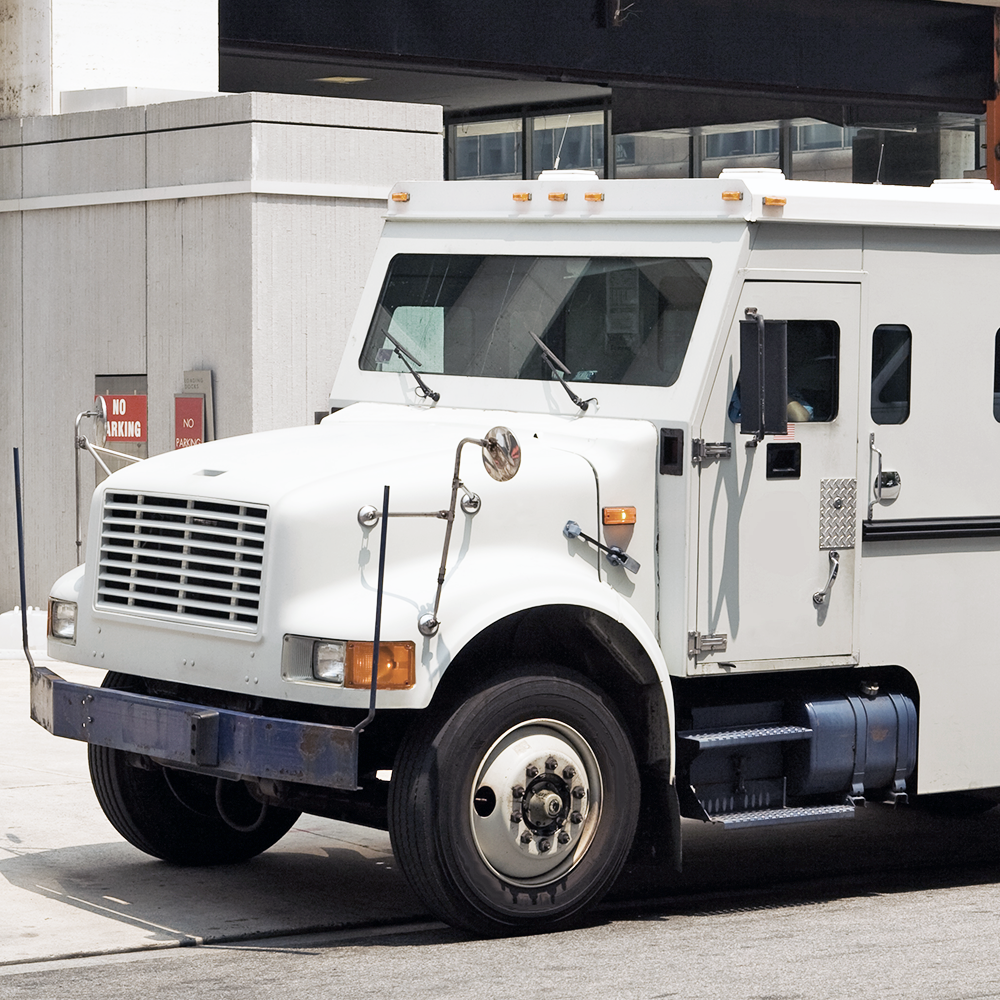
Cash pickup should feel routine, not stressful. Yet many problems happen because businesses are not properly prepared. Delays, confusion, exposure to risk, and even internal theft often start before the armored vehicle arrives.
These failures don't just create inconvenience. They create liability. Every minute spent fumbling with paperwork or searching for the right person is a minute your cash sits exposed. Every pattern that becomes predictable is an opportunity for someone watching. Every unclear handoff is a chance for money to walk out the wrong door.
Here is how to set your business up for safe, smooth, and predictable cash pickups.
1. Assign clear responsibility inside your business
One of the biggest mistakes businesses make is allowing too many people to "handle" cash pickups. When everyone is responsible, no one is responsible.
You should:
- Assign one primary staff member responsible for cash handover
- Assign one backup person in case of absence
- Ensure both understand the process fully
- Document who was present at every pickup
When responsibility is unclear, mistakes multiply. Bags go missing. Paperwork is incomplete. Time is wasted. Worse, when something does go wrong, no one can answer basic questions about what happened, who signed off, or where the breakdown occurred.
Your primary handler should know the pickup schedule, understand the documentation requirements, recognize the regular crew, and have authority to delay or refuse a pickup if something seems wrong.
2. Prepare cash before the vehicle arrives
Never count or prepare cash when the armored team is already waiting. This is one of the most common, most dangerous mistakes.
Best practice:
- Count and verify cash earlier in the day, ideally during a low-traffic period
- Seal it in tamper-evident bags with serial numbers recorded
- Label everything clearly: date, amount, bag number, and preparer initials
- Store prepared cash in a secure location away from public view
- Double-check totals against your internal records before the crew arrives
This reduces on-site exposure and keeps the pickup quick and discreet. It also protects your staff. The longer they stand in a doorway with cash visible, the more vulnerable they become. Preparation time should happen behind locked doors, not under the eyes of whoever might be watching from the parking lot.
And if your counts don't match your records, you want to discover that hours before the pickup.
3. Avoid predictable behavior
Criminals watch patterns. Staff often do not realize how visible habits become over time. A Tuesday morning pickup at 10:15 a.m., same door, same person, same routine for six months straight?
Avoid:
- Standing outside waiting for the armored truck (wait inside, out of sight)
- Using the same entrance every time without rotating or varying the approach
- Talking loudly about pickups in front of customers or in public areas
- Wearing visible behavior that signals cash movement (carrying bags across the sales floor, propping doors open in advance)
- The pickup should look boring to outsiders. Quiet, fast, and controlled. If someone is casing your location, they should see nothing worth planning around.
- Vary your timing, when possible, even by 15 or 30 minutes. Rotate which door you use if your layout allows it. Treat the pickup like what it is: a high-value transaction that deserves discretion.
4. Keep pickup areas clean and controlled
The handover point matters more than most businesses realize. A cluttered, exposed, or chaotic space creates opportunity for mistakes and risk.
A good pickup area:
- Has limited foot traffic during the scheduled window
- Is well-lit but not exposed to street view or large windows
- Allows staff and armored personnel to work without distraction or interruption
- Has clear sightlines so both parties can see who is approaching
- Is free of obstacles, clutter, or anything that slows the process down
If customers or staff are wandering through the area, risk increases immediately. A bystander might see more than they should. A distraction might cause someone to set a bag down. A question might pull attention away at the wrong moment.
Control the environment. Block off the area if needed. Schedule pickups during slower hours. Make sure your team knows to keep that space clear and secure when the time comes.
5. Review confirmation and reporting every time
After pickup, your job is not finished. This is where many businesses get lazy, and that's where problems hide.
You should always:
- Confirm digital or physical proof of pickup immediately, before the crew leaves
- Verify bag counts and serial numbers match what you prepared
- File reports properly and store documentation where it can be retrieved quickly
- Flag discrepancies immediately, not days later when memories fade
- Reconcile pickup totals against your internal records the same day
This protects you during audits and prevents disputes later. If a bag goes missing between your door and the processing center, you need to be able to prove exactly what you handed over, when, and to whom. If your count was off, you need to know that before it becomes a bigger problem.

Keep your ATMs operational with reliable, dual-controlled cash loading services and transparent audit reporting. Get Secure ATM Cash Loading & Servicing Services